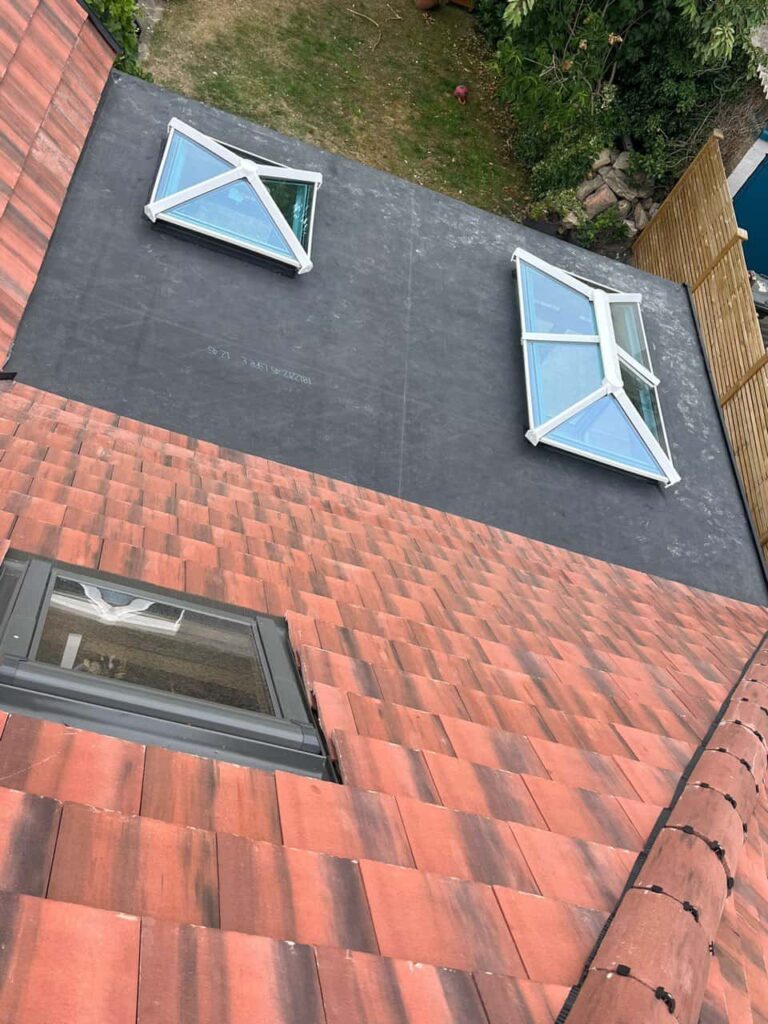
Roofing problems often begin long before water starts dripping through a ceiling. A slightly displaced tile, a small gap in the flashing or early deterioration beneath the roof covering may remain unnoticed from ground level. During this time, moisture can gradually affect the materials intended to keep the property protected.
A professional roofing assessment helps property owners in Cirencester, Gloucestershire understand the current condition of their roof. By identifying early defects and investigating their causes, a roofer can recommend suitable action before localised wear develops into a more serious problem.
What Can a Professional Roofing Assessment Reveal?
A roof is a complete system rather than a collection of individual tiles. Its covering, fixings, underlay, battens, flashing, drainage features and structural timbers must all work together. A thorough assessment considers these interconnected components instead of concentrating solely on visible surface damage.
Loose, Cracked or Displaced Tiles
Tiles can crack because of age, weather exposure, movement or weakening around their fixings. They may also shift slightly without becoming visibly missing.
Even a small change in position can allow wind-driven rain beneath the roof covering. A roofer can identify unstable tiles and check whether the surrounding fixings and battens remain suitable for a dependable repair.
Deteriorating Tile Fixings and Battens
Tiles may appear correctly positioned even when the materials supporting them have begun to deteriorate. Corroded fixings or weakened battens can make sections of the covering increasingly vulnerable to movement.
Examining these concealed components where accessible helps determine whether a slipped tile is an isolated defect or evidence of a broader issue beneath the surface.
Damage to Roofing Underlay
Underlay provides secondary protection when rain passes beneath the tiles. Over time, it may become brittle, torn or damaged around fixings and roof penetrations.
Because it is hidden, underlay deterioration can be difficult to recognise without lifting selected tiles or inspecting the roof from within the loft. Discovering this damage early can prevent moisture from reaching insulation, battens and structural timber.
Early Flashing Defects
Flashing protects the joints around chimneys, walls, roof windows and other penetrations. Cracks, lifting edges and separation from surrounding materials can create narrow routes for rainwater.
These defects may only cause leaks during prolonged or wind-driven rain. A professional inspection can identify weakened details before they develop into recurring water ingress.
Wear Around Valleys, Ridges and Verges
Valleys carry significant volumes of water from adjoining roof slopes, while ridges and verges protect exposed roof edges and junctions. Deteriorated mortar, loose components or accumulated debris can reduce their effectiveness.
Assessing these areas helps ensure that water continues to drain correctly and that vulnerable roof sections remain secure.
Subtle Signs of Water Ingress
The first evidence of a leak is not always a visible ceiling stain. Moisture may initially appear as:
- Dark marks on rafters or battens
- Damp or compressed loft insulation
- Rust around metal fixings
- A musty smell within the loft
- Small areas of discoloured plaster
- Peeling paint near ceilings or upper walls
A roofer can use these signs to trace moisture towards its likely entry point. This is important because water can travel along underlay and timbers before becoming visible indoors.
Drainage Problems
Blocked gutters, restricted outlets or poorly directed water can cause rain to collect near roof edges and junctions. Persistent overflow may affect fascias, soffits and nearby roofing materials.
A roofing assessment considers how water moves away from the property. Identifying drainage problems can help prevent repeated saturation and deterioration around vulnerable areas.
Previous Repairs That Are Beginning to Fail
Earlier roof repairs may deteriorate because of age, movement or unsuitable materials. Surface sealants can also conceal an unresolved defect without providing lasting protection.
A professional assessment reviews the condition of previous work and the surrounding roof. This helps establish whether the repair remains effective or whether the original problem requires further attention.
Changes in the Roofline
An uneven, dipping or sagging roofline can indicate movement or deterioration within the supporting structure. Although minor variations may have existed for some time, a developing change should be investigated.
The assessment can establish whether the visible distortion relates to battens, rafters or another part of the roof structure. Surface repairs alone may not be suitable when the support beneath the covering has weakened.
Why Early Identification Matters
Dealing with roofing defects while they remain localised can help protect the surrounding materials. It may also prevent moisture from spreading into insulation, ceilings, walls and structural timber.
Early assessment provides a clearer understanding of:
- Which component has failed
- Why the defect has developed
- How far any damage extends
- Whether surrounding materials remain sound
- Which repair method is most appropriate
This evidence-based approach reduces the likelihood of treating only the visible symptom and overlooking the underlying cause.
When Should You Arrange an Assessment?
Professional attention is advisable if you notice displaced tiles, internal dampness, debris around the property, damaged flashing or changes in the roofline. An assessment is also worthwhile when a leak keeps returning or the roof has recently experienced severe weather.
Property owners should avoid climbing onto the roof themselves. Many defects require suitable access and experienced inspection to assess accurately.
Conclusion
A professional roofing assessment can reveal developing problems that are difficult to identify from ground level. By checking the covering, fixings, underlay, flashing, drainage features and accessible internal areas, a roofer can determine both the source and extent of a defect.
LJ Roofing Cirencester provides professional roofing assessments and repairs for properties in Cirencester, Gloucestershire. If you have noticed a change in your roof or want an unexplained issue investigated, contact our team to arrange a thorough assessment.
Call us on: 01285 704 395
Click here to find out more about LJ Roofing Cirencester
Click here to complete our contact form and see how we can help with your roofing needs.