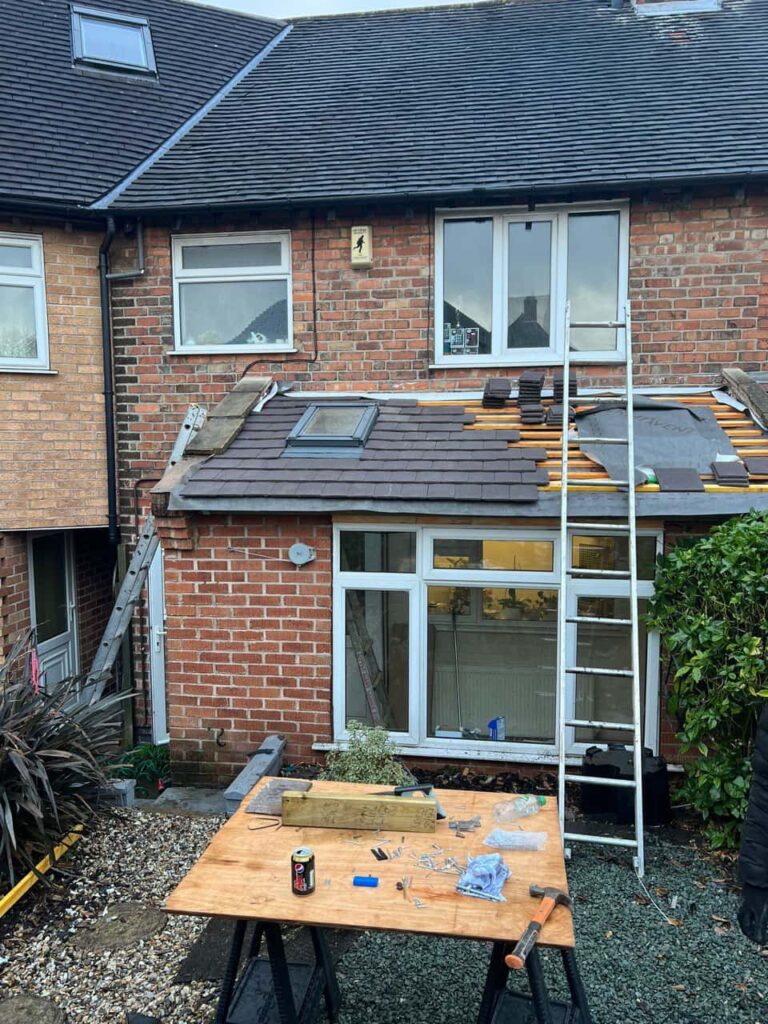
Older properties often have enormous character, but their roofing systems have also experienced many years of exposure to rain, wind, temperature changes and general weathering. Repairs can successfully address isolated defects, but there may eventually come a point when widespread ageing makes a complete roof replacement the more dependable long-term approach.
For homeowners in Cirencester, Gloucestershire, a professionally installed new roof can provide much more than a refreshed appearance. By renewing the protective layers of the roofing system and addressing weaknesses that have developed over time, replacement can make an older property feel considerably better prepared for the years ahead.
An Older Roof Has Already Endured Years of Exposure
Roofing materials are designed for durability, but they do not remain unchanged indefinitely. Every year brings further exposure to changing weather conditions, and gradual deterioration can eventually affect several parts of the roof.
An ageing roof may develop:
- Cracked or weathered tiles
- Deteriorating underlay
- Loose or damaged flashing
- Worn ridge details
- Weaknesses around roof junctions
- Recurring areas of water ingress
Individually, some of these defects may be repairable. When deterioration becomes widespread, however, renewing the entire roofing system can provide a more comprehensive solution.
A New Roof Re-Establishes the Weatherproof Barrier
The primary purpose of any roof is to prevent the elements from entering the property. When roofing materials become worn, their ability to perform this role can gradually decline.
Roof replacement provides the opportunity to renew the main weatherproofing components rather than continuing to rely on materials that may already have experienced decades of exposure.
A properly installed new roof helps protect against:
- Driving rain
- Strong winds
- Moisture penetration
- Changing seasonal conditions
For an older property, restoring this outer protective barrier can provide valuable reassurance.
Replacement Deals With More Than the Visible Surface
A roof is not simply a collection of tiles or slates. Beneath the visible covering are several components that contribute to its performance.
During replacement, removing the existing covering allows important areas to be examined that would otherwise remain hidden.
Depending on the roof, this may include assessment of:
- Roofing underlay
- Battens
- Timber components
- Roof decking
- Ventilation arrangements
- Areas previously affected by moisture
Any necessary preparation can then be completed before the new roof covering is installed.
It Can End a Cycle of Repeated Roofing Problems
An isolated repair on an otherwise healthy roof is often entirely appropriate. The situation becomes different when an older roof starts developing unrelated problems in multiple areas.
One month it might be a slipped tile. Later, flashing may require attention. Another area might then begin leaking during heavy rainfall.
This pattern can indicate that individual components are reaching similar stages of deterioration.
Replacing an extensively worn roof allows the property to move away from repeatedly reacting to individual defects towards having a complete roofing system with consistent materials and workmanship.
Better Protection for the Roof Structure
Keeping water outside is particularly important for the structural components beneath the roof.
If an older roof has developed several vulnerable areas, intermittent moisture penetration can begin affecting materials that were intended to remain protected.
A sound new roofing system helps safeguard:
- Rafters and roof timbers
- Battens
- Loft areas
- Insulation
- Ceilings and internal finishes
Preventing moisture from reaching these areas supports the wider condition of the property.
New Roofing Can Address Vulnerable Junctions
Some of the most important parts of a roof are where different surfaces or structures meet. Valleys, chimneys, abutments, ridges and other junctions need effective detailing to prevent water finding a route underneath the covering.
On an ageing roof, these areas may have undergone previous repairs or simply deteriorated through prolonged exposure.
A complete replacement gives professional roofers the opportunity to consider these details as part of one coordinated roofing system rather than treating each weakness independently as it appears.
Consistent Roofing Materials Can Improve Reliability
Older roofs sometimes contain materials from different periods as a result of years of repairs. Individual tiles may have been replaced, sections of flashing renewed and other areas patched as necessary.
Although appropriate repairs can extend a roof’s useful life, extensive patchwork may eventually indicate that the roof as a whole is becoming increasingly difficult to maintain.
A new roof provides consistency across the main covering and associated components. This makes it easier for the various parts of the roof to work together as intended.
Ventilation Can Be Considered as Part of the Roofing System
A healthy roof needs to manage more than external rainwater. Conditions within the roof space also matter.
Appropriate ventilation helps control moisture within the roof void and supports the condition of structural timbers and insulation. When an older roof is replaced, its ventilation requirements can be considered alongside the rest of the installation.
This is important because a successful new roof should function as a complete system rather than simply providing an attractive external covering.
A New Roof Can Transform the Appearance of an Older Home
Practical protection may be the main reason for replacing an ageing roof, but the visual improvement can also be significant.
Years of weathering can leave roofing materials looking uneven, tired or inconsistent. A new roof can restore a neat, cohesive finish while respecting the character of the property.
Careful material selection can help the new roof:
- Complement the building’s appearance
- Maintain appropriate proportions
- Create consistent roof lines
- Improve overall exterior presentation
The objective should be to renew the roof without losing the character that makes an older property distinctive.
Planned Replacement Can Be Better Than Waiting for Failure
Homeowners do not necessarily have to wait until an ageing roof develops a major leak before considering replacement.
If inspections show widespread deterioration and an increasing likelihood of future problems, planning ahead can provide a much more controlled approach.
Proactive replacement allows the condition of the roof to be properly assessed and the work carefully organised before a serious defect forces immediate action.
Does Every Older Property Need a New Roof?
No. Age alone does not determine whether a roof should be replaced.
An older roof that remains structurally sound and has only isolated defects may continue to perform well with appropriate repairs and maintenance. Replacement becomes more relevant when deterioration is widespread, recurring problems are developing or important parts of the roofing system are approaching the end of their serviceable condition.
This is why professional assessment is so important. The decision should be based on the condition of the individual roof rather than simply the age of the property.
Why Quality Roof Replacement Matters
The benefits of a new roof depend heavily on how it is installed. Proper preparation, accurate detailing and careful workmanship are essential if the replacement is to provide dependable long-term protection.
A professional roofing project should consider the complete system, including:
- Existing structural condition
- Preparation beneath the covering
- Roofing materials
- Weatherproof junctions
- Ventilation
- Finishing details
Attention to these areas helps turn roof replacement into a genuine long-term improvement rather than simply a cosmetic upgrade.
Professional Roof Replacement in Cirencester
At LJ Roofing Cirencester, we provide professional roofing services throughout Cirencester, Gloucestershire. When an older roof is showing signs of widespread deterioration, we can assess its overall condition and determine whether repairs remain appropriate or a new roof would provide the more dependable solution.
Our approach focuses on understanding the condition of the complete roofing system and delivering high-quality workmanship designed to protect the property for the long term.
Whether your roof requires targeted attention or has reached the stage where replacement should be considered, obtaining a professional assessment provides a clear starting point.
Conclusion
A new roof can make an older property feel better protected because it renews one of the home’s most important defences against the weather. Rather than continuing to depend on roofing materials that may have experienced decades of exposure, replacement creates an opportunity to renew the covering, inspect hidden components, address vulnerable areas and establish a consistent roofing system.
For homeowners in Cirencester, Gloucestershire, this can provide valuable reassurance while also improving the appearance and long-term performance of the property.
If your older roof is developing recurring problems or showing widespread signs of deterioration, contact LJ Roofing Cirencester to arrange a professional assessment. We can evaluate its condition and advise whether continued repairs or a carefully planned roof replacement is the most appropriate way forward.
Call us on: 01285 704 395
Click here to find out more about LJ Roofing Cirencester
Click here to complete our contact form and see how we can help with your roofing needs.